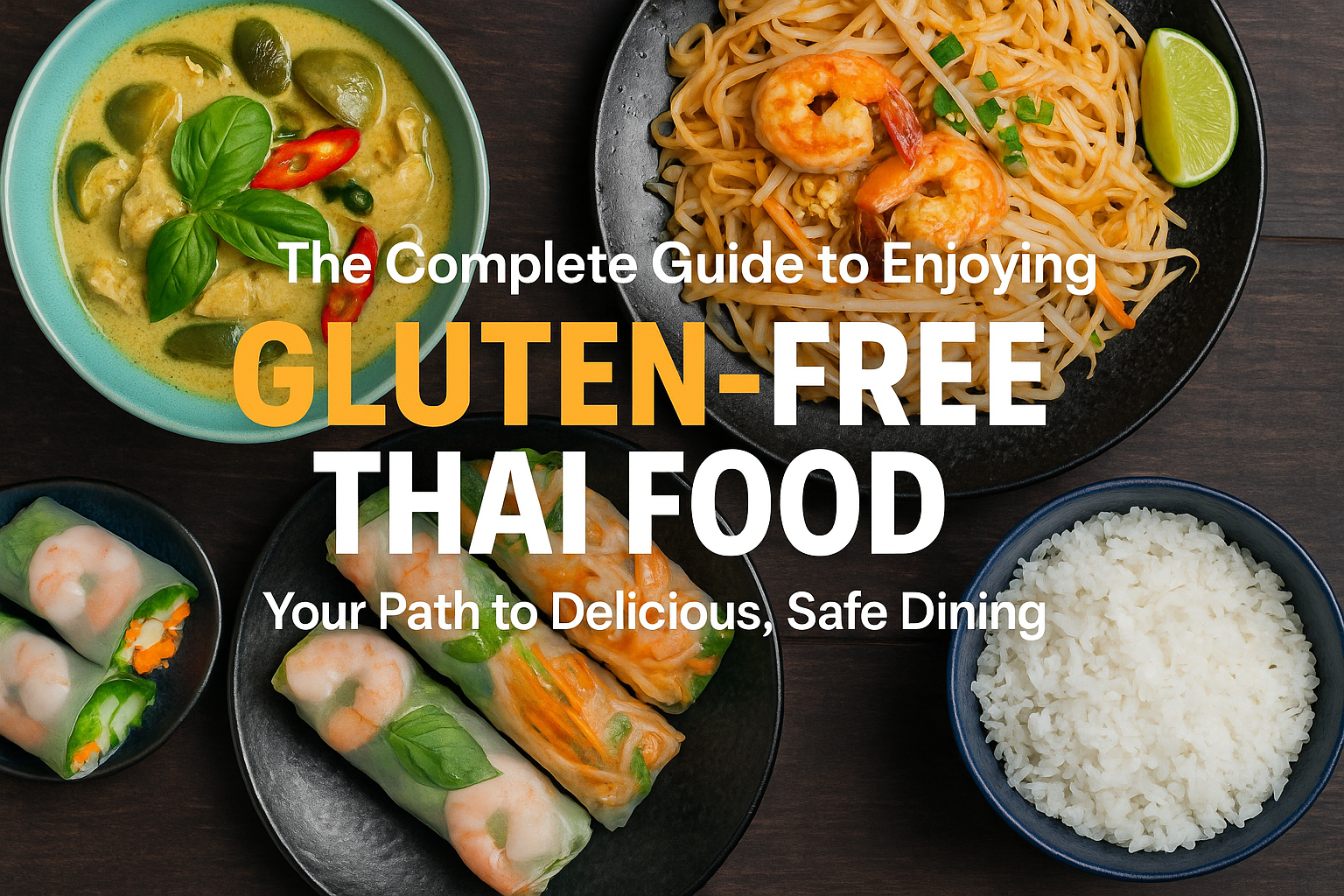
Gluten-Free Thai Food has been a bit of a revelation for me. I’ve always loved Thai flavours — the mix of sweet, sour, and spicy hits all the right notes — but finding dishes that are safe for a gluten-free diet took some experimenting. Once I learned which sauces and ingredients to watch out for, I realised there’s plenty to enjoy without missing out on the flavour.
If you’ve ever stood in a Thai restaurant wondering what’s safe to order, you’re not alone. I’ve been there too, scanning menus and trying to work out what’s made with soy sauce and what’s not. With a little know-how, you can enjoy amazing gluten-free Thai food at home or when eating out.
Key Takeaways
- Many Thai dishes are naturally gluten-free or can be easily modified, including most curries, stir-fries with rice noodles, and rice-based dishes
- Hidden gluten sources in Thai food include soy sauce, oyster sauce, and wheat-based noodles – always ask about ingredients and preparation methods
- Rice is your best friend – opt for jasmine rice, rice noodles, and rice paper rolls as safe foundation options
- Communication is crucial – learn key Thai phrases or carry a gluten-free dining card to clearly communicate your dietary needs
- Home cooking gives you complete control – many Thai recipes can be adapted using gluten-free alternatives without sacrificing authentic flavors
Understanding Gluten in Thai Cuisine
When I first started exploring gluten-free Thai food, I was pleasantly surprised to discover that traditional Thai cooking relies heavily on naturally gluten-free ingredients. Rice serves as the foundation of Thai cuisine, appearing in various forms from jasmine rice to rice noodles and rice paper.
However, the challenge lies in the details. Modern Thai restaurants, especially those catering to Western tastes, often incorporate ingredients that contain gluten. Soy sauce, a common seasoning in many Thai dishes, typically contains wheat. Similarly, oyster sauce and some curry pastes may include wheat-based thickeners.
Common Gluten Sources in Thai Food
Understanding where gluten hides in Thai cuisine is essential for safe dining. Here are the primary culprits:
Obvious Sources:
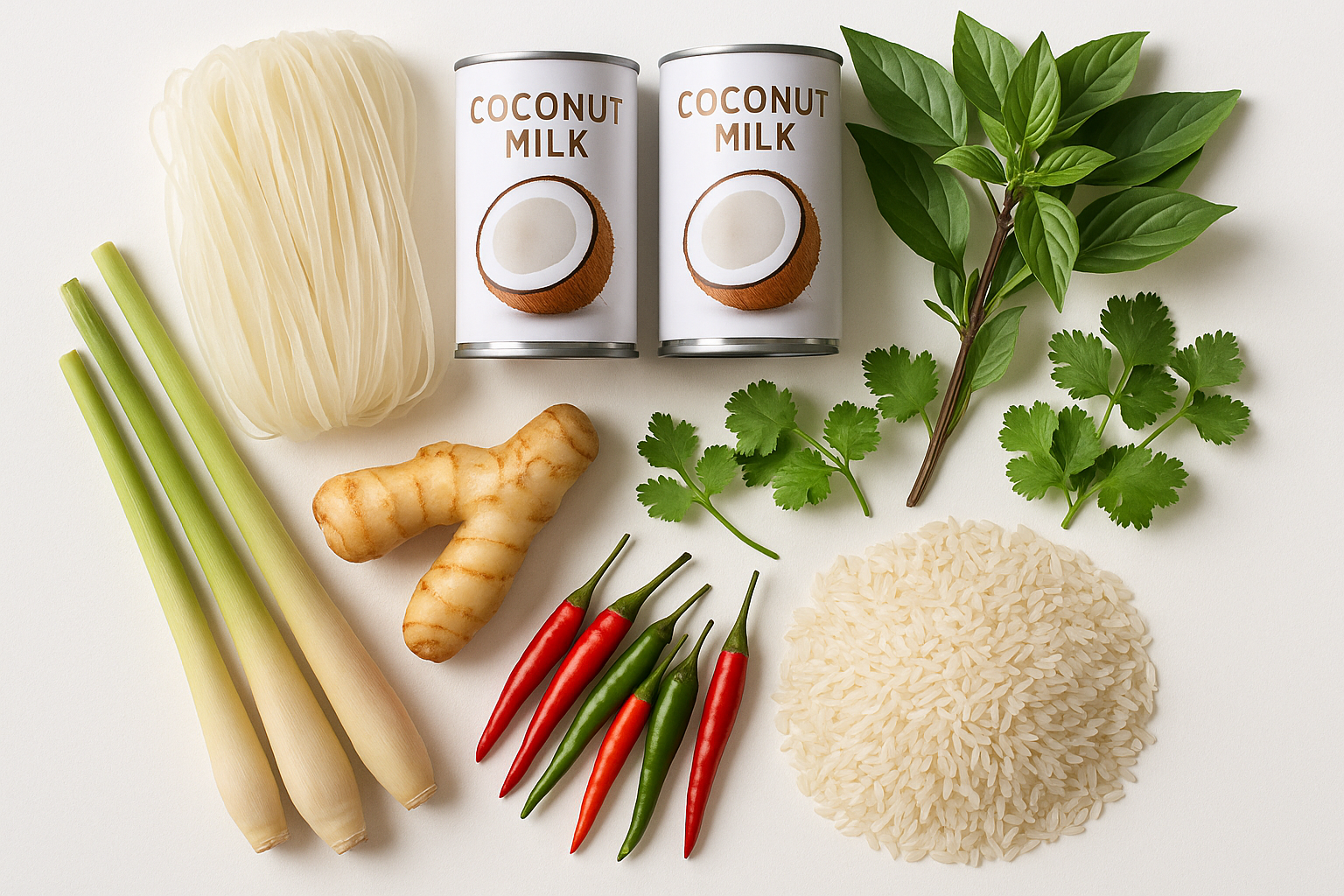
- Wheat noodles (ba mee)
- Spring roll wrappers (made with wheat flour)
- Some dumpling wrappers
- Certain breaded items
Hidden Sources:
- Regular soy sauce
- Oyster sauce
- Some curry pastes
- Seasoning mixes
- Imitation crab (often used in salads)
- Some fish sauces (though most are gluten-free)
The key is asking questions and being specific about your needs. I’ve learned that most Thai restaurants are accommodating when you explain your dietary restrictions clearly.
Naturally Gluten-Free Thai Ingredients
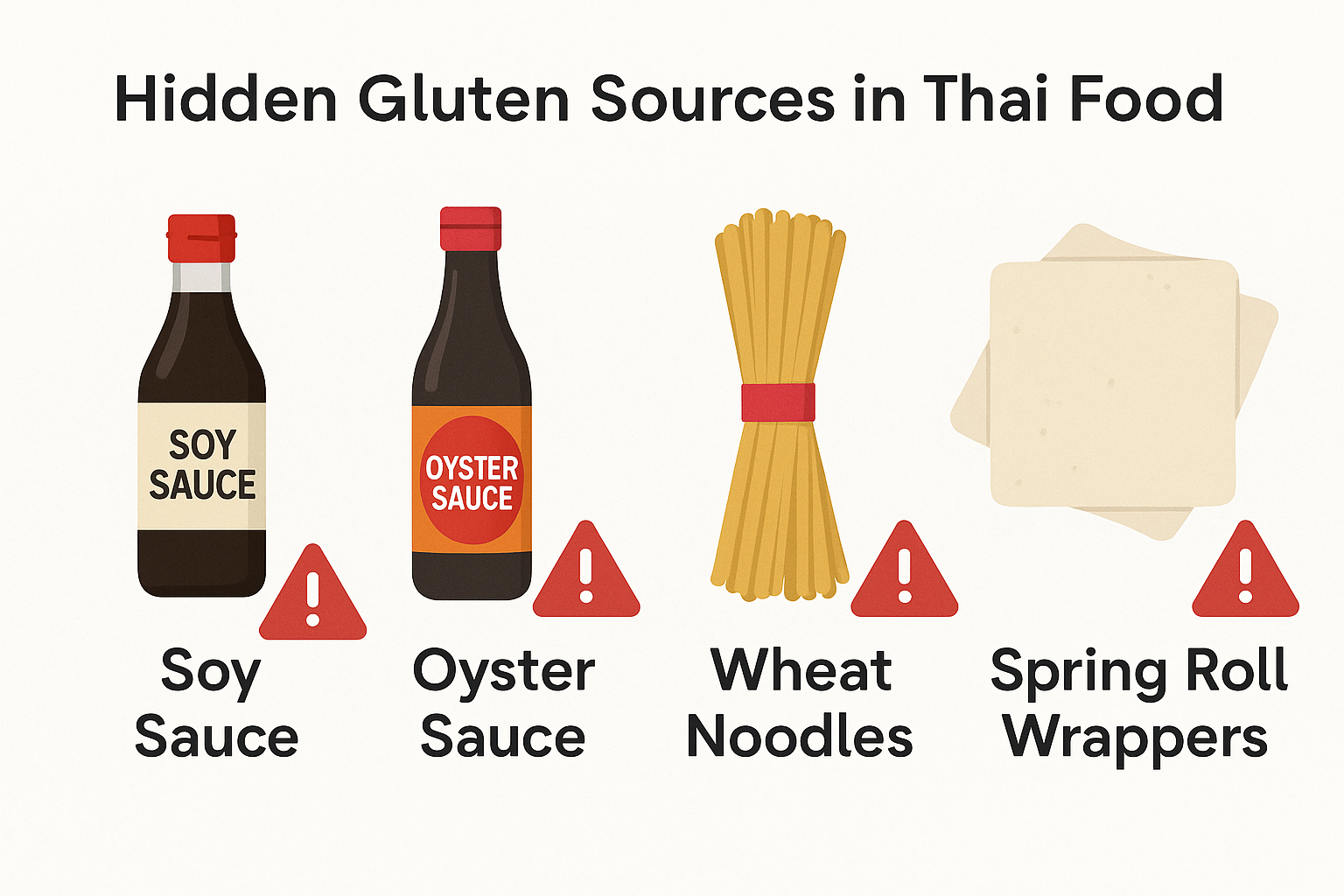
The beauty of Thai cuisine lies in its abundance of naturally gluten-free ingredients. These form the backbone of countless delicious dishes:
Proteins
- Fresh seafood (shrimp, fish, crab, mussels)
- Chicken, beef, and pork (when not marinated in gluten-containing sauces)
- Tofu (plain, not pre-seasoned)
- Eggs
Vegetables and Herbs
- Thai basil, cilantro, and mint
- Lemongrass and galangal
- Thai chilies and bell peppers
- Eggplant and green beans
- Bean sprouts and bok choy
Starches
- Jasmine rice and sticky rice
- Rice noodles (all varieties)
- Rice paper wrappers
Flavor Enhancers
- Coconut milk and coconut cream
- Fish sauce (most brands are gluten-free)
- Lime juice and tamarind paste
- Palm sugar and brown sugar
When dining out, I always emphasize these ingredients when discussing menu options with restaurant staff. It helps them understand what I can safely eat and often leads to creative, delicious modifications.
Safe Gluten-Free Thai Dishes to Order
💡 Pro Tips for Safe Dining
- Always inform your server about your gluten intolerance
- Ask about cross-contamination in the kitchen
- Request rice noodles instead of wheat noodles
- Ask for gluten-free soy sauce or tamari
- When in doubt, stick to simple grilled meats with rice
Curries: Your Gluten-Free Thai Food Foundation
Thai curries are often your safest bet when dining out. Traditional curry pastes are made from chilies, herbs, and spices without wheat-based thickeners. Here are my go-to curry options:
Green Curry (Gaeng Keow Wan): Made with green chilies, Thai basil, and coconut milk. Ask for it with chicken, beef, or vegetables over jasmine rice.
Red Curry (Gaeng Phed): Features red chilies and often includes bamboo shoots and Thai eggplant. Naturally gluten-free when prepared traditionally.
Yellow Curry (Gaeng Garee): Milder and slightly sweet, often served with potatoes and onions.
Massaman Curry: Rich and complex with Persian influences. While traditionally gluten-free, some restaurants may use modified curry pastes, so always ask.
Rice Noodle Dishes
Rice noodles are naturally gluten-free and feature prominently in Thai cuisine. When ordering these dishes, the key is ensuring the sauces and seasonings are also gluten-free:
Pad Thai: The most famous Thai noodle dish can be gluten-free when made with rice noodles and gluten-free soy sauce. I always request tamari instead of regular soy sauce.
Pad See Ew: Wide rice noodles with Chinese broccoli. The challenge here is the dark soy sauce, which often contains wheat. Ask if they can substitute with gluten-free alternatives.
Drunken Noodles (Pad Kee Mao): While traditionally made with rice noodles, some restaurants use wheat noodles. Always confirm the noodle type.
Soups and Salads
Many Thai soups are naturally gluten-free, making them excellent choices for those avoiding gluten:
Tom Yum: This iconic spicy and sour soup is typically safe, featuring lemongrass, lime leaves, chilies, and your choice of protein.
Tom Kha: A creamy coconut soup with galangal and lime leaves. Usually gluten-free, but verify that no wheat-based thickeners are used.
Thai Salads: Fresh salads like som tam (papaya salad) can be gluten-free, but watch out for the dressing, which may contain fish sauce or soy sauce.
Hidden Gluten Sources to Watch Out For
Even when a dish appears safe, gluten can hide in unexpected places. Through my own trial and error (and unfortunately, some uncomfortable experiences), I’ve learned to be vigilant about these common hidden sources:
Sauces and Seasonings
Soy Sauce: The biggest culprit in Thai restaurants. Regular soy sauce contains wheat, but many restaurants now stock gluten-free alternatives like tamari.
Oyster Sauce: Often contains wheat-based thickeners. Some brands make gluten-free versions, but you’ll need to ask specifically.
Hoisin Sauce: Commonly contains wheat flour as a thickener.
Sweet and Sour Sauce: May contain wheat-based ingredients for consistency.
Cross-Contamination Risks
Even if your dish is made with gluten-free ingredients, cross-contamination in the kitchen can be a serious concern. Here’s what I always discuss with restaurant staff:
- Shared cooking surfaces: Are rice noodles cooked in the same water as wheat noodles?
- Shared oil: Is the same oil used for frying spring rolls and other gluten-free items?
- Shared utensils: Are the same serving spoons used for different dishes?
I’ve found that explaining the medical necessity (not just preference) of avoiding gluten helps restaurant staff take extra precautions.
Dining Out: Restaurant Communication Tips
Successfully enjoying gluten-free Thai food at restaurants requires clear communication and preparation. Here are strategies that have worked well for me:
Before You Go
Research the restaurant: Look up their menu online and call ahead to discuss gluten-free options. Many Thai restaurants are experienced with dietary restrictions and happy to accommodate.
Learn key phrases: If you’re dining at an authentic Thai restaurant, knowing a few Thai phrases can be helpful:
- “Mai dai gin gluten” (I cannot eat gluten)
- “Mai sai nam tan” (No wheat flour)
At the Restaurant
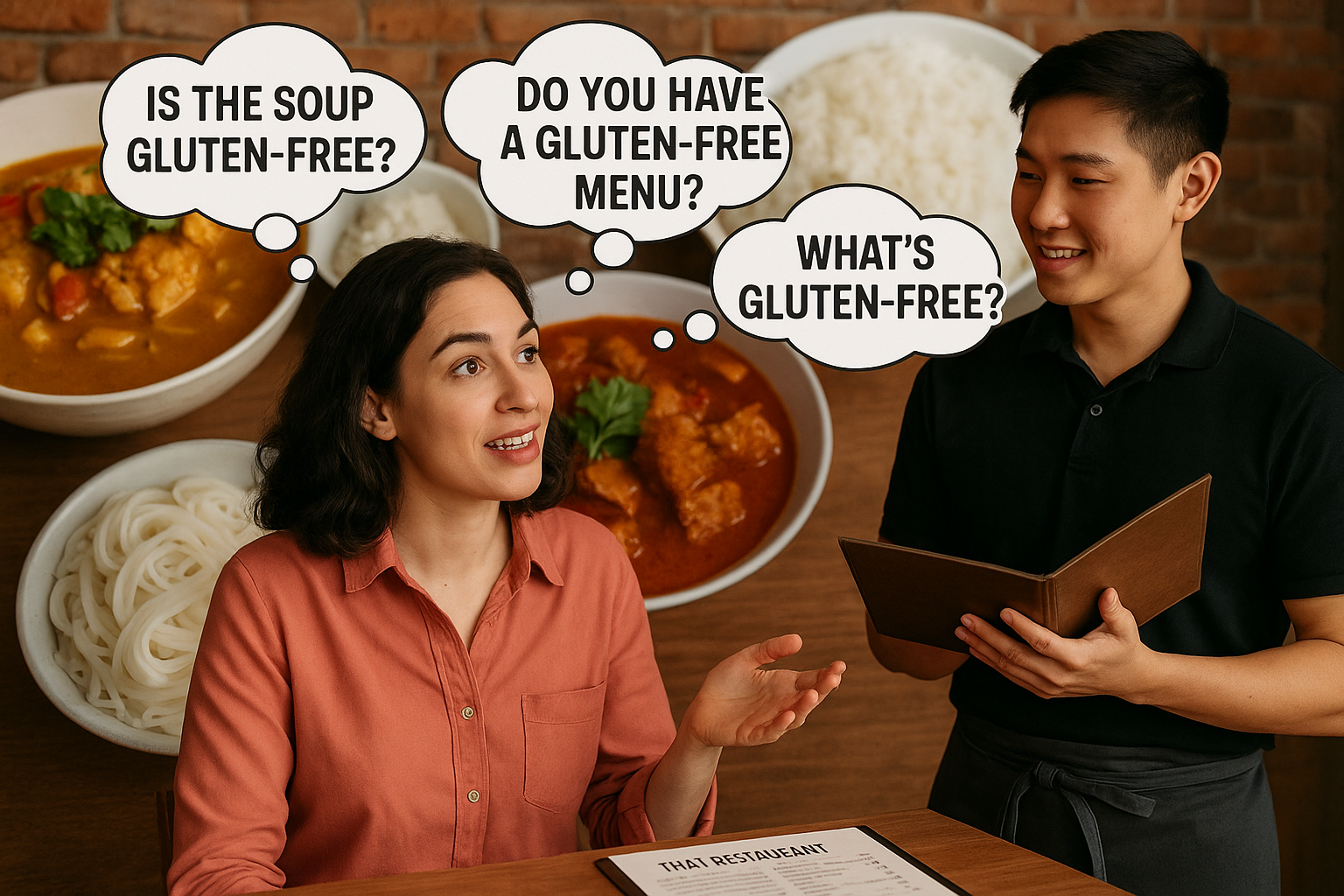
Speak with the manager or chef: Don’t rely solely on your server. Ask to speak with someone who understands ingredients and preparation methods.
Be specific about your needs: Explain that you have celiac disease or severe gluten intolerance, not just a preference. This helps staff understand the importance of avoiding cross-contamination.
Ask detailed questions:
- What type of noodles do you use?
- Is your soy sauce gluten-free?
- Are there any wheat-based thickeners in the curry paste?
- Can you prepare my dish in a clean pan?
Gluten-Free Dining Cards
I always carry a laminated card explaining my dietary restrictions in both English and Thai. This eliminates confusion and ensures clear communication. The card includes:
- “I have celiac disease and cannot eat gluten”
- “Please avoid wheat, barley, rye, and soy sauce”
- “I can eat rice, rice noodles, and most Thai spices”
- “Please use clean cooking surfaces and utensils”
Making Gluten-Free Thai Food at Home
Cooking gluten-free Thai food at home gives you complete control over ingredients and preparation methods. Plus, it’s often more economical and allows you to experiment with flavors. Here’s how I’ve successfully recreated restaurant-quality Thai dishes in my own kitchen.
Essential Gluten-Free Pantry Items
Building a well-stocked pantry is crucial for successful home cooking. Here are my must-have ingredients:
Sauces and Seasonings:
- Tamari or gluten-free soy sauce
- Fish sauce (check labels, but most are gluten-free)
- Rice vinegar
- Coconut aminos (great soy sauce alternative)
- Gluten-free oyster sauce
Noodles and Starches:
- Various rice noodles (thin, wide, vermicelli)
- Jasmine rice and sticky rice
- Rice paper wrappers
- Tapioca starch for thickening
Flavor Bases:
- Coconut milk and coconut cream
- Thai curry pastes (red, green, yellow)
- Lemongrass, galangal, and lime leaves
- Thai chilies and fish sauce
When shopping for these ingredients, I always read labels carefully. Even products that seem naturally gluten-free can sometimes contain unexpected wheat-based additives.
Simple Gluten-Free Thai Recipes to Start With
Basic Thai Green Curry
This recipe serves 4 and takes about 30 minutes:
Ingredients:
- 2 cans coconut milk
- 2-3 tablespoons green curry paste
- 1 pound chicken, sliced thin
- Thai eggplant or regular eggplant, cubed
- Thai basil leaves
- Fish sauce and palm sugar to taste
- Jasmine rice for serving
Method:
- Heat thick coconut cream in a wok until oil separates
- Add curry paste and fry until fragrant
- Add chicken and cook until done
- Add remaining coconut milk, eggplant, and seasonings
- Simmer until vegetables are tender
- Garnish with Thai basil and serve over rice
Gluten-Free Pad Thai
Key modifications:
- Use rice noodles (obviously!)
- Substitute tamari for soy sauce
- Make your own tamarind sauce from scratch
- Use palm sugar instead of regular sugar
The beauty of cooking at home is that you can adjust spice levels and ingredients to your preference while ensuring everything is completely gluten-free.
Ingredient Substitutions
Sometimes you’ll need to adapt traditional recipes. Here are my go-to substitutions:
- Regular soy sauce → Tamari or coconut aminos
- Oyster sauce → Gluten-free oyster sauce or mushroom sauce
- Wheat flour for thickening → Tapioca starch or cornstarch
- Regular spring roll wrappers → Rice paper wrappers
Shopping for Gluten-Free Thai Ingredients
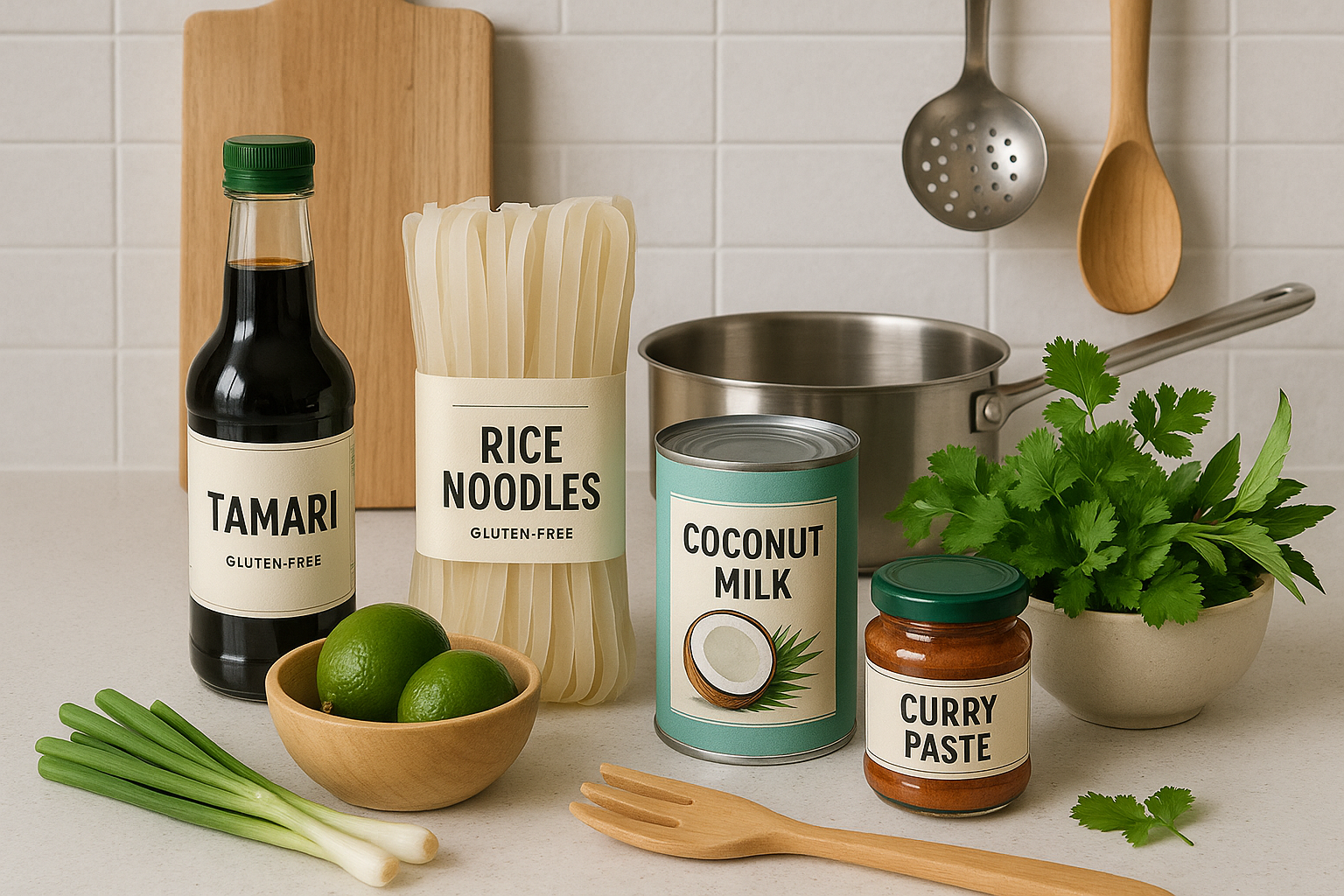
Finding the right ingredients is crucial for successful gluten-free Thai food preparation. I’ve discovered that knowing where to shop and what to look for makes all the difference.
Asian Grocery Stores
Asian markets are goldmines for gluten-free Thai ingredients, but they require careful navigation. Here’s what I’ve learned:
Advantages:
- Wider selection of rice noodles and specialty items
- Often better prices than mainstream supermarkets
- More authentic ingredients
- Staff may be more knowledgeable about traditional preparations
Challenges:
- Labels may not be in English
- Staff might not understand gluten-free requirements
- Some products may have different formulations than Western versions
I always bring my phone to translate labels and take photos of ingredients I’m unsure about to research later.
Mainstream Supermarkets
Most regular grocery stores now carry basic Thai ingredients in their international aisles:
Reliable finds:
- Rice noodles (usually clearly labeled as gluten-free)
- Coconut milk
- Basic curry pastes
- Jasmine rice
- Fish sauce
What to watch for:
- Cross-contamination in bulk bins
- Modified products with added wheat
- Shared manufacturing facilities
Online Shopping
For hard-to-find items or when I want to ensure gluten-free certification, online shopping has become my go-to option. Many specialty retailers offer guaranteed gluten-free Thai ingredients with detailed ingredient lists and certifications.
When building your pantry, I recommend starting with just a few essential items and expanding as you become more comfortable with Thai cooking. This approach prevents waste and allows you to learn which brands and products work best for your needs.
For those times when you’re craving something sweet after your Thai meal, you might want to explore other gluten-free dessert recipes to complete your dining experience.
Nutritional Benefits of Gluten-Free Thai Food
One of the pleasant surprises I discovered when embracing gluten-free Thai food was how nutritionally beneficial it can be. Traditional Thai cuisine emphasizes fresh ingredients, herbs, and spices that offer numerous health benefits beyond just being gluten-free.
Nutrient-Dense Ingredients
Fresh Herbs and Spices:
Thai cuisine’s liberal use of fresh herbs provides an abundance of antioxidants, vitamins, and minerals. Cilantro offers vitamin K and potassium, while Thai basil contains compounds with anti-inflammatory properties. Lemongrass has been traditionally used for digestive health, and galangal (Thai ginger) may help reduce inflammation.
Coconut Products:
Coconut milk and oil, staples in Thai cooking, provide medium-chain triglycerides (MCTs) that may support metabolism and brain health. While coconut products are high in saturated fat, they’re also dairy-free and naturally gluten-free.
Rice as a Foundation:
Unlike wheat-based carbohydrates, rice is easily digestible and provides steady energy without the inflammatory response that gluten-sensitive individuals experience with wheat products.
Balanced Macronutrients
Traditional Thai meals naturally incorporate the balance of macronutrients that nutrition experts recommend:
- Proteins from seafood, chicken, tofu, or eggs
- Healthy fats from coconut milk, nuts, and seeds
- Complex carbohydrates from rice and vegetables
- Fiber from abundant vegetables and herbs
This balance helps maintain stable blood sugar levels and provides sustained energy throughout the day.
Anti-Inflammatory Properties
Many Thai ingredients have natural anti-inflammatory properties, which can be particularly beneficial for people with celiac disease or non-celiac gluten sensitivity who may already be dealing with intestinal inflammation:
- Turmeric (found in yellow curry) contains curcumin, a powerful anti-inflammatory compound
- Ginger and galangal may help reduce inflammation and aid digestion
- Chilies contain capsaicin, which has anti-inflammatory effects
- Garlic provides sulfur compounds that support immune function
When you’re managing gluten intolerance, having meals that actively support your digestive health rather than challenging it can make a significant difference in how you feel day-to-day.
Regional Variations in Gluten-Free Thai Food
Thailand’s diverse regions offer different approaches to cuisine, and understanding these variations can help you navigate gluten-free Thai food options more effectively. Each region has its specialties and traditional cooking methods that may affect gluten content.
Northern Thai Cuisine
Northern Thailand’s cuisine, influenced by Myanmar and Laos, tends to be milder and features more sticky rice than jasmine rice. This is actually great news for gluten-free diners:
Sticky Rice Dishes: Khao Niao (sticky rice) is naturally gluten-free and often served with grilled meats and spicy dips.
Khao Soi: This famous northern curry noodle soup traditionally uses wheat noodles, but many restaurants now offer rice noodle versions. Always ask specifically about noodle type.
Sai Ua: Northern Thai sausage that’s typically gluten-free, made with herbs and spices without wheat fillers.
Northeastern (Isaan) Cuisine
Isaan food is known for being spicy, sour, and salty. Much of it is naturally gluten-free:
Som Tam: Green papaya salad that’s usually safe, though you should verify the fish sauce used in the dressing.
Larb: Spicy meat salad that’s typically gluten-free when made traditionally with lime juice, fish sauce, and herbs.
Grilled Meats: Simple grilled chicken, beef, or fish served with sticky rice and spicy dipping sauces.
Southern Thai Cuisine
Southern Thai food is characterized by its use of coconut milk and intense spiciness:
Coconut Curries: The abundance of coconut-based dishes makes this region particularly friendly for gluten-free diners.
Fresh Seafood: Simple preparations that highlight the natural flavors of fish and shellfish.
Central Thai Cuisine
This is what most people think of as “Thai food” and includes many dishes that have been adapted for international palates:
Pad Thai: While traditionally gluten-free with rice noodles, restaurant versions may include wheat-based sauces.
Tom Yum and Tom Kha: These central Thai soups are usually safe choices.
Understanding these regional differences helps when you’re dining at restaurants that specialize in specific Thai regional cuisines. It also gives you insight into traditional preparation methods versus modern adaptations that might include gluten-containing ingredients.
Building Confidence in Gluten-Free Thai Dining
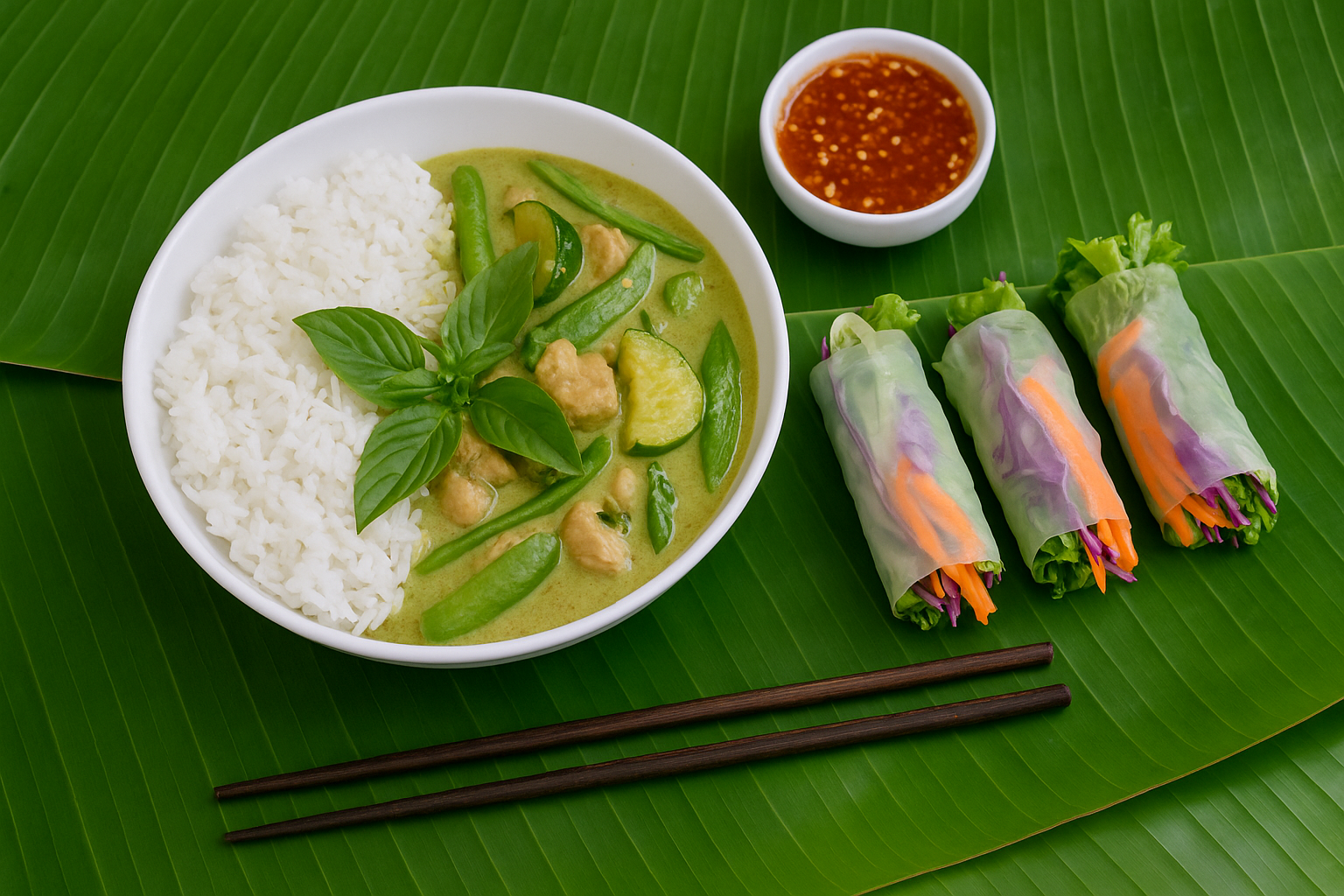
After years of navigating gluten-free Thai food, I’ve learned that confidence comes from knowledge, preparation, and experience. The goal isn’t to avoid Thai cuisine but to enjoy it safely and fully.
Start Small and Build Experience
When I first began eating gluten-free Thai food, I started with the safest options and gradually expanded my choices as I became more comfortable:
Week 1-2: Stick to basic curries with rice and simple grilled meats
Week 3-4: Try rice noodle dishes with careful sauce verification
Week 5+: Explore more complex dishes and different restaurants
This gradual approach helped me build confidence while minimizing the risk of accidental gluten exposure.
Develop Relationships with Restaurants
I’ve found that developing relationships with specific Thai restaurants pays dividends over time. When staff know you and understand your needs, they’re more likely to:
- Remember your dietary restrictions
- Suggest new dishes that are safe for you
- Take extra care with preparation
- Alert you to menu changes that might affect gluten-free options
Don’t be afraid to become a regular somewhere that treats you well. Good restaurants appreciate loyal customers and will often go out of their way to accommodate you.
Learn from Mistakes
I’ll be honest – I’ve made mistakes along the way. There have been times when I didn’t ask enough questions or assumed something was safe when it wasn’t. Each experience taught me something valuable:
- Always ask about soy sauce, even in dishes where you don’t expect it
- Cross-contamination is a real concern in busy kitchens
- “Gluten-free” means different things to different people
- When in doubt, choose the simpler option
These experiences, while sometimes uncomfortable, helped me become a more informed and confident diner.
Connect with the Gluten-Free Community
Online communities and local support groups can be invaluable resources for restaurant recommendations and dining tips. I’ve discovered some of my favorite Thai restaurants through recommendations from other people with celiac disease or gluten sensitivity.
Social media groups, restaurant review apps, and gluten-free dining websites often have location-specific recommendations that can save you time and reduce anxiety about trying new places.
If you’re looking for more gluten-free dining inspiration beyond Thai food, you might want to explore options at popular chains like Chick-fil-A to see how other restaurants accommodate gluten-free diners.
Planning Gluten-Free Thai Meals for Special Occasions
Gluten-free Thai food can be the centerpiece of memorable celebrations and gatherings. Whether you’re hosting a dinner party or planning a special meal, Thai cuisine offers impressive options that happen to be gluten-free.
Dinner Party Menu Planning
When I host dinner parties featuring Thai food, I plan menus that are naturally gluten-free so all guests can enjoy everything without worry:
Appetizers:
- Fresh spring rolls with peanut dipping sauce (verify sauce ingredients)
- Thai-style grilled shrimp with herbs
- Cucumber cups filled with spicy ground pork
Main Courses:
- Green curry with chicken and vegetables
- Pad Thai with rice noodles
- Grilled fish with Thai herbs
- Jasmine rice and sticky rice
Desserts:
- Mango sticky rice
- Thai-style fruit salad
- Coconut ice cream
This approach ensures that everyone can eat everything, and you don’t have to prepare separate dishes or worry about cross-contamination.
Holiday Adaptations
Thai flavors can add exciting variety to holiday meals. I’ve successfully incorporated Thai dishes into various celebrations:
Thanksgiving: Thai-spiced roasted turkey with coconut rice stuffing
Christmas: Thai curry as an alternative to traditional heavy dishes
Summer gatherings: Thai salads and grilled meats that are perfect for hot weather
The key is choosing dishes that complement rather than compete with traditional holiday flavors.
Meal Prep and Weekly Planning
Thai cuisine lends itself well to meal preparation, which is especially helpful when managing a gluten-free lifestyle:
Batch Cooking Ideas:
- Large batches of curry that freeze well
- Pre-cooked rice noodles for quick stir-fries
- Prepared curry pastes and sauce bases
- Pre-cut vegetables and herbs
Weekly Meal Rotation:
- Monday: Leftover weekend curry with fresh rice
- Tuesday: Quick pad thai with pre-cooked noodles
- Wednesday: Thai-style grilled protein with vegetables
- Thursday: Tom yum soup with rice
- Friday: Thai takeout from your trusted restaurant
This approach ensures you always have safe, delicious options available and reduces the temptation to choose less healthy convenience foods.
For those mornings when you want to start your day with something special, you might enjoy trying some gluten-free pancakes before diving into your Thai meal planning for the day.
Traveling and Gluten-Free Thai Food
Traveling while maintaining a gluten-free diet can be challenging, but Thai cuisine’s global popularity means you can often find safe options even when you’re far from home. Here’s what I’ve learned about navigating gluten-free Thai food while traveling.
Domestic Travel
When traveling within your home country, Thai restaurants often follow similar preparation methods and ingredient sourcing, making it easier to predict what will be safe:
Research Before You Go:
- Look up Thai restaurants in your destination city
- Read reviews specifically mentioning gluten-free options
- Call restaurants ahead of your trip to discuss accommodations
Pack Emergency Supplies:
- Gluten-free soy sauce packets
- Rice crackers or gluten-free snacks
- Translation cards if visiting areas with limited English
International Travel
Traveling internationally adds complexity, but it also offers opportunities to experience authentic Thai cuisine:
In Thailand:
The irony is that eating gluten-free Thai food in Thailand can actually be easier in some ways because traditional preparations are less likely to include Western adaptations that contain gluten. However, communication can be more challenging.
Language Preparation:
- Learn key Thai phrases for dietary restrictions
- Have your hotel concierge write out your dietary needs in Thai
- Download translation apps that work offline
Cultural Considerations:
- Understand that “gluten-free” isn’t a widely understood concept in all cultures
- Focus on describing specific ingredients to avoid rather than using the term “gluten-free”
- Be prepared to eat simpler dishes that you can more easily verify
Hotel and Accommodation Strategies
Apartment Rentals:
Booking accommodations with kitchens gives you the option to prepare some meals yourself, reducing reliance on restaurants for every meal.
Hotel Concierge Services:
Many hotels can help arrange dining reservations and communicate dietary restrictions to restaurants in advance.
Backup Plans:
Always have a backup plan for meals, whether that’s ingredients for simple dishes you can prepare yourself or knowledge of grocery stores where you can find safe options.
The key to successful travel is balancing adventure with safety. I’ve found that doing thorough research beforehand allows me to be more spontaneous once I arrive at my destination.
Conclusion
Navigating gluten-free Thai food doesn’t have to mean sacrificing flavor, authenticity, or dining experiences. Through careful ingredient awareness, clear communication with restaurants, and strategic menu choices, you can safely enjoy the vibrant, complex flavors that make Thai cuisine so beloved worldwide.
The key takeaways for successful gluten-free Thai dining are:
Know your safe harbors: Rice-based dishes, traditional curries, and simple grilled proteins form the foundation of safe dining choices.
Communicate clearly: Don’t hesitate to ask detailed questions about ingredients and preparation methods. Most restaurants want to accommodate your needs.
Start simple and expand: Build confidence with obviously safe dishes before exploring more complex options.
Embrace home cooking: Preparing Thai dishes at home gives you complete control over ingredients and allows you to experiment with flavors safely.
Stay informed: The landscape of gluten-free dining continues to improve, with more restaurants and food manufacturers recognizing the importance of accommodation.
Remember that having gluten intolerance doesn’t mean you have to miss out on incredible dining experiences. Thai cuisine, with its emphasis on fresh ingredients, rice-based dishes, and naturally gluten-free components, can become a regular and enjoyable part of your dining repertoire.
Whether you’re craving a comforting bowl of tom yum soup, a spicy green curry, or a plate of perfectly prepared pad thai, the world of gluten-free Thai food is waiting for you to explore it safely and deliciously.
Take the first step by researching Thai restaurants in your area that accommodate gluten-free diners, or try preparing a simple curry at home. Your taste buds – and your health – will thank you for the adventure.
For more gluten-free inspiration and recipes, explore our comprehensive collection of gluten-free dinner recipes and continue your journey toward delicious, safe dining experiences.