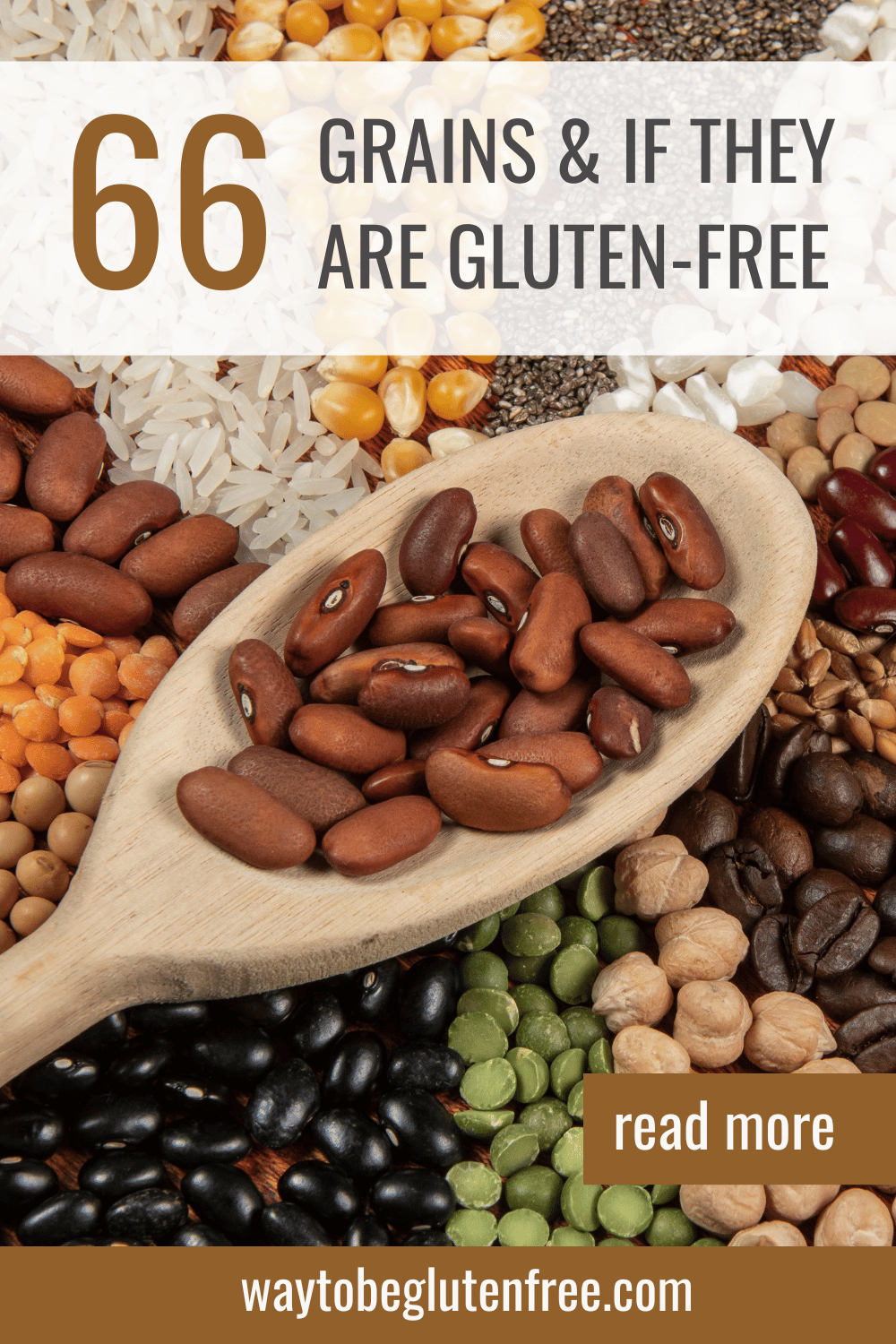
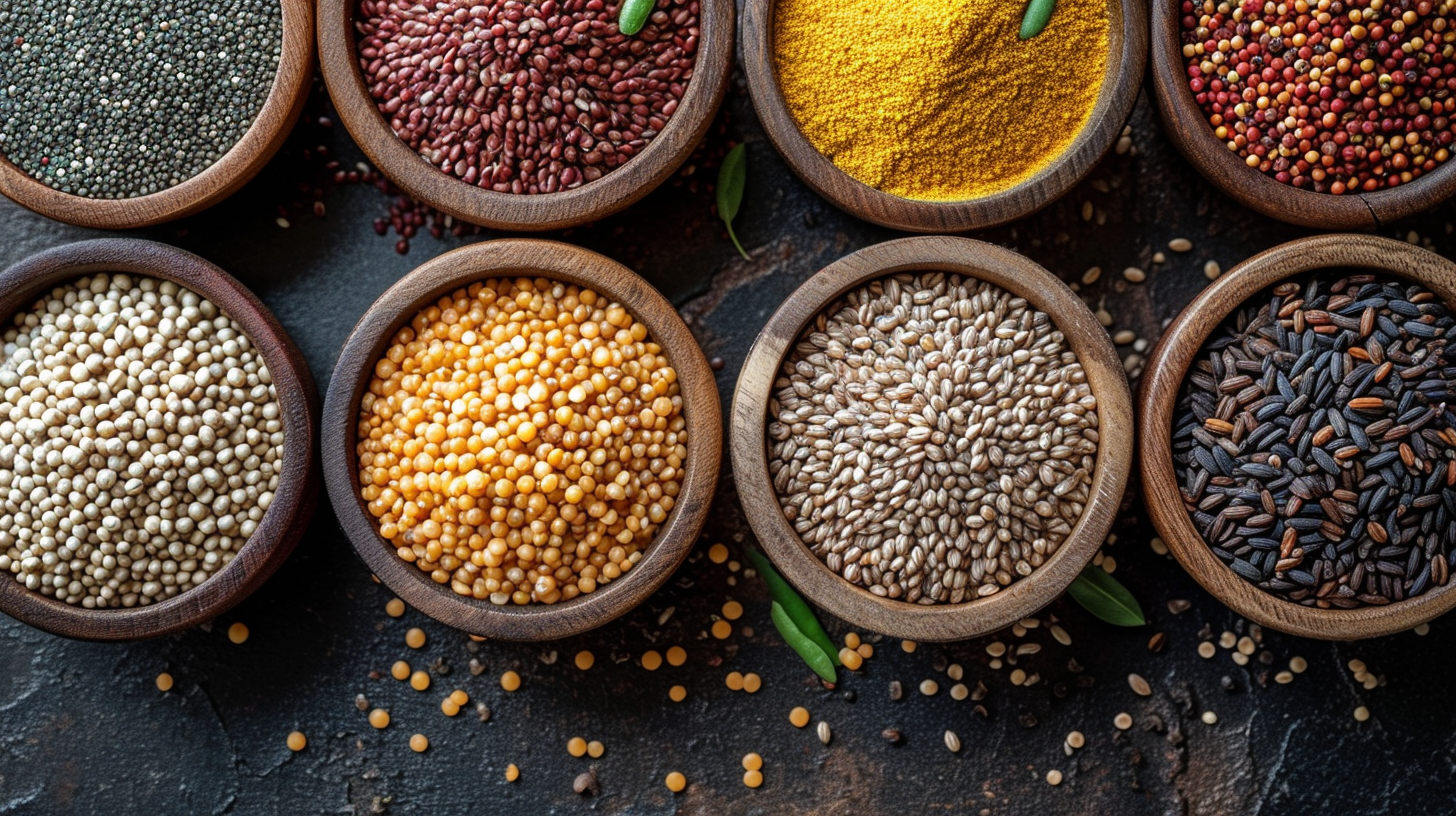
As a fellow gluten-free foodie, I know how tricky it can be to figure out which grains are safe to eat when you’re avoiding gluten. That’s why I put together this handy guide to walk you through the most common grains and flours you’ll find at the grocery store. My goal is to save you time and give you confidence so you can shop worry-free!
I’ll share whether each grain is gluten-free, tips on what to look for on labels, and any important details to know. To make it extra simple, I’ve divided the grains into 5 categories:
| Category | Meaning |
|---|---|
| Gluten Free | These products are naturally gluten free and usually have little to no chance of cross-contamination. You can consume these products without much concern. Always look for gluten free labels as well as may contain statements. |
| Naturally Gluten Free | For this category, these products are naturally gluten free, but you should read labels carefully and be cautious as always when deciding whether to purchase and use a product for those who need to be strictly gluten free. |
| Gluten Free Label Required | These are products that are naturally gluten free or usually gluten free, but the potential risk that they may contain gluten is high enough that you shouldn’t purchase this product or a product with this as an ingredient unless there is a gluten free label on the product. |
| Usually Gluten Unless Marked | The products marked with this rating are usually made with gluten-containing products, however, there are gluten free alternatives on the market. These products will be specifically marked gluten free if they are safe, typically the gluten free label will be part of the product name or found prominently on the package. |
| Never Gluten Free | These are the items with a full-sized stop sign on them. These products are not gluten free and are never safe for someone with Celiac Disease or who otherwise requires a gluten free diet. Look for these as a warning sign on labels. |
Let’s dive in! I’ll go through the grains alphabetically and share my insights from years of being gluten intolerant. Don’t worry about memorizing everything. You can use this as a reference next time you’re scanning the shelves!
List Of Gluten-Free & Not Gluten-Free Grains
Amaranth
Amaranth is naturally gluten free. Cross-contamination may be a concern if grown in, or next to, a field used for wheat production. Cross-contamination may also happen in the processing facility, so caution needs to be taken when purchasing gluten free Amaranth.
Arborio Rice
Arborio Rice is naturally gluten free. There is little, or no, risk of cross-contamination. Rice is rarely grown near wheat or processed in the same facility. Read all statements on the package for cross-content warnings when purchasing gluten free Arborio Rice.
Barley
Barley is not gluten free. Although it has less gluten than wheat, it is not safe for those with Celiac Disease or on a gluten free diet. This includes derivatives such as malt, malt flavoring, or other products made from Barley. Products containing Barley or its derivatives are never gluten free.
Basmati Rice
Basmati Rice is naturally gluten free. There is little, or no, risk of cross-contamination. Rice is rarely grown near wheat or processed in the same facility. Read all statements on the package for cross-content warnings when purchasing gluten free Basmati Rice.
Black Rice
Black Rice is naturally gluten free. There is little, or no, risk of cross-contamination. Rice is rarely grown near wheat or processed in the same facility. Read all statements on the package for cross-content warnings when purchasing gluten free Black Rice.
Black Wheat
Black Wheat is not gluten free. Wheat contains the highest gluten of any grain and is not safe for consumption by anyone on a gluten free diet or diagnosed with Celiac Disease. Any product with Black Wheat on the label cannot be considered gluten free.
Blue Wheat
Blue Wheat is not gluten free. Wheat contains the highest gluten of any grain and is not safe for consumption by anyone on a gluten free diet or diagnosed with Celiac Disease. Any product with Blue Wheat on the label cannot be considered gluten free.
Bread Wheat
Bread Wheat is not gluten free. Wheat contains the highest gluten of any grain and is not safe for consumption by anyone on a gluten free diet or diagnosed with Celiac Disease. Any product with Bread Wheat on the label cannot be considered gluten free.
Brown Rice
Brown Rice is naturally gluten free. There is little, or no, risk of cross-contamination. Rice is rarely grown near wheat or processed in the same facility. Read all statements on the package for cross-content warnings when purchasing gluten free Brown Rice.
Buckwheat
Buckwheat is naturally gluten free. Cross-contamination may be a concern if grown in, or next to, a field used for wheat production. Cross-contamination may also happen in the processing facility, so caution needs to be taken when purchasing gluten free Buckwheat.
Bulgar
Bulgar Wheat is not gluten free. Wheat contains the highest gluten of any grain and is not safe for consumption by anyone on a gluten free diet or diagnosed with Celiac Disease. Any product with Bulgar Wheat on the label cannot be considered gluten free.
Calrose Rice
Calrose Rice is naturally gluten free. There is little, or no, risk of cross-contamination. Rice is rarely grown near wheat or processed in the same facility. Read all statements on the package for cross-content warnings when purchasing gluten free Calrose Rice.
Chia Seeds
Chia is naturally gluten free. Cross-contamination may be a concern if grown in, or next to, a field used for wheat production. Cross-contamination may also happen in the processing facility, so caution needs to be taken when purchasing gluten free Chia seeds.
Club Wheat
Club Wheat is not gluten free. Wheat contains the highest gluten of any grain and is not safe for consumption by anyone on a gluten free diet or diagnosed with Celiac Disease. Any product with Club Wheat on the label cannot be considered gluten free.
Cone Wheat
Cone Wheat is not gluten-free. Wheat contains the highest gluten of any grain and is not safe for consumption by anyone on a gluten free diet or diagnosed with Celiac Disease. Any product with Cone Wheat on the label cannot be considered gluten free.
Corn
Corn is naturally gluten free, but is frequently grown in, or near, fields used for wheat production. Corn has a high possibility of cross-contamination with wheat. Corn should be labeled gluten free to ensure it contains less than 20ppm gluten, the level deemed safe for those with Celiac Disease.
Durum Wheat
Durum Wheat is not gluten free. Wheat contains the highest gluten of any grain and is not safe for consumption by anyone on a gluten free diet or diagnosed with Celiac Disease. Any product with Durum Wheat on the label cannot be considered gluten free.
Einkorn
Einkorn Wheat is not gluten free. Wheat contains the highest gluten of any grain and is not safe for consumption by anyone on a gluten free diet or diagnosed with Celiac Disease. Any product with Einkorn Wheat on the label cannot be considered gluten free.
Emmer Wheat
Emmer Wheat is not gluten free. Wheat contains the highest gluten of any grain and is not safe for consumption by anyone on a gluten free diet or diagnosed with Celiac Disease. Any product with Emmer Wheat on the label cannot be considered gluten free.
English Wheat
English Wheat is not gluten free. Wheat contains the highest gluten of any grain and is not safe for consumption by anyone on a gluten free diet or diagnosed with Celiac Disease. Any product with English Wheat on the label cannot be considered gluten free.
Farik
Farik Wheat is not gluten free. Wheat contains the highest gluten of any grain and is not safe for consumption by anyone on a gluten free diet or diagnosed with Celiac Disease. Any product with Farik Wheat on the label cannot be considered gluten free.
Farro
Farro Wheat is not gluten free. Wheat contains the highest gluten of any grain and is not safe for consumption by anyone on a gluten free diet or diagnosed with Celiac Disease. Any product with Farro Wheat on the label cannot be considered gluten free.
Finger Millet
Finger Millet is naturally gluten free. Cross-contamination may be a concern if grown in, or next to, a field used for wheat production. Cross-contamination may also happen in the processing facility, so caution needs to be taken when purchasing gluten free Finger Millet.
Fonio
Fonio is naturally gluten free. Cross-contamination may be a concern if grown in, or next to, a field used for wheat production. Cross-contamination may also happen in the processing facility, so caution needs to be taken when purchasing gluten free Fonio.
Foxtail Millet
Foxtail Millet is naturally gluten free. Cross-contamination may be a concern if grown in, or next to, a field used for wheat production. Cross-contamination may also happen in the processing facility, so caution needs to be taken when purchasing gluten free Foxtail Millet.
Hard Red Wheat
Hard Red Wheat is not gluten free. Wheat contains the highest gluten of any grain and is not safe for consumption by anyone on a gluten free diet or diagnosed with Celiac Disease. Any product with Hard Red Wheat on the label cannot be considered gluten free.
Hard White Wheat
Hard White Wheat is not gluten free. Wheat contains the highest gluten of any grain and is not safe for consumption by anyone on a gluten free diet or diagnosed with Celiac Disease. Any product with Hard White Wheat on the label cannot be considered gluten free.
Hominy
Hominy is naturally gluten free, but is frequently grown in, or near, fields used for wheat production. Hominy has a high possibility of cross-contamination with wheat. Hominy should be labeled gluten free to ensure it contains less than 20ppm gluten, the level deemed safe for those with Celiac Disease.
Indian Dwarf Wheat
Indian Dwarf Wheat is not gluten free. Wheat contains the highest gluten of any grain and is not safe for consumption by anyone on a gluten free diet or diagnosed with Celiac Disease. Any product with Indian Dwarf Wheat on the label cannot be considered gluten free.
Japanese Millet
Japanese Millet is naturally gluten free. Cross-contamination may be a concern if grown in, or next to, a field used for wheat production. Cross-contamination may also happen in the processing facility, so caution needs to be taken when purchasing gluten free Japanese Millet.
Jasmine Rice
Jasmine Rice is naturally gluten free. There is little, or no, risk of cross-contamination. Rice is rarely grown near wheat or processed in the same facility. Read all statements on the package for cross-content warnings when purchasing gluten free Jasmine Rice.
Job’s Tears
Job’s Tears is naturally gluten free. Cross-contamination may be a concern if grown in, or next to, a field used for wheat production. Cross-contamination may also happen in the processing facility, so caution needs to be taken when purchasing gluten free Job’s Tears.
Kaniwa
Kaniwa is naturally gluten free. Cross-contamination may be a concern if grown in, or next to, a field used for wheat production. Cross-contamination may also happen in the processing facility, so caution needs to be taken when purchasing gluten free Kaniwa.
Khorasan Wheat
Khorasan Wheat is not gluten free. Wheat contains the highest gluten of any grain and is not safe for consumption by anyone on a gluten free diet or diagnosed with Celiac Disease. Any product with Khorasan Wheat on the label cannot be considered gluten free.
Kodo Millet
Kodo Millet is naturally gluten-free. Cross-contamination may be a concern if grown in, or next to, a field used for wheat production. Cross-contamination may also happen in the processing facility, so caution needs to be taken when purchasing gluten free Kodo Millet.
Long Grain White Rice
Long Grain White Rice is naturally gluten free. There is little, or no, risk of cross-contamination. Rice is rarely grown near wheat or processed in the same facility. Read all statements on the package for cross-content warnings when purchasing gluten free Long Grain White Rice.
Macaroni Wheat
Macaroni Wheat is not gluten free. Wheat contains the highest gluten of any grain and is not safe for consumption by anyone on a gluten free diet or diagnosed with Celiac Disease. Any product with Macaroni Wheat on the label cannot be considered gluten free.
Millet
Millet is naturally gluten free. Cross-contamination may be a concern if grown in, or next to, a field used for wheat production. Cross-contamination may also happen in the processing facility, so caution needs to be taken when purchasing gluten free Millet.
Oats
Oats are naturally gluten free, but are frequently grown in close proximity to wheat crops. Only Oats labeled gluten free are safe for consumption by those with Celiac Disease. Oats without the gluten free label should be treated as containing wheat and high levels of gluten.
Pearl Millet
Pearl Millet is naturally gluten free. Cross-contamination may be a concern if grown in, or next to, a field used for wheat production. Cross-contamination may also happen in the processing facility, so caution needs to be taken when purchasing gluten free Pearl Millet.
Persian Wheat
Persian Wheat is not gluten free. Wheat contains the highest gluten of any grain and is not safe for consumption by anyone on a gluten free diet or diagnosed with Celiac Disease. Any product with Persian Wheat on the label cannot be considered gluten free.
Proso Millet
Proso Millet is naturally gluten free. Cross-contamination may be a concern if grown in, or next to, a field used for wheat production. Cross-contamination may also happen in the processing facility, so caution needs to be taken when purchasing gluten free Proso Millet.
Quinoa
Quinoa is naturally gluten free. Cross-contamination may be a concern if grown in, or next to, a field used for wheat production. Cross-contamination may also happen in the processing facility, so caution needs to be taken when purchasing gluten free Quinoa.
Red Cargo Rice
Red Cargo Rice is naturally gluten free. There is little, or no, risk of cross-contamination. Rice is rarely grown near wheat or processed in the same facility. Read all statements on the package for cross-content warnings when purchasing gluten free Red Cargo Rice.
Rice
Rice is naturally gluten free. There is little, or no, risk of cross-contamination. Rice is rarely grown near wheat or processed in the same facility. Read all statements on the package for cross-content warnings when purchasing gluten free Rice.
Rivet Wheat
Rivet Wheat is not gluten free. Wheat contains the highest gluten of any grain and is not safe for consumption by anyone on a gluten free diet or diagnosed with Celiac Disease. Any product with Rivet Wheat on the label cannot be considered gluten free.
Rye
Rye is not gluten free. Although it has less gluten than wheat, it is not safe for those with Celiac Disease or on a gluten free diet. This includes derivatives made from Rye. Products containing Rye or its derivatives are never gluten free.
Shot Wheat
Shot Wheat is not gluten free. Wheat contains the highest gluten of any grain and is not safe for consumption by anyone on a gluten free diet or diagnosed with Celiac Disease. Any product with Shot Wheat on the label cannot be considered gluten free.
Soft Red Wheat
Soft Red Wheat is not gluten free. Wheat contains the highest gluten of any grain and is not safe for consumption by anyone on a gluten free diet or diagnosed with Celiac Disease. Any product with Soft Red Wheat on the label cannot be considered gluten free.
Soft White Wheat
Soft White Wheat is not gluten free. Wheat contains the highest gluten of any grain and is not safe for consumption by anyone on a gluten free diet or diagnosed with Celiac Disease. Any product with Soft White Wheat on the label cannot be considered gluten free.
Sorghum
Sorghum is naturally gluten-free. There is little, or no, risk of cross-contamination. Sorghum is rarely grown near wheat or processed in the same facility. Read all statements on the package for cross-content warnings when purchasing gluten free Sorghum.
Spelt
Spelt is not gluten free. It is an older strain of wheat, and it is not safe for those with Celiac Disease or on a gluten free diet. The gluten content of Spelt is less than wheat, but far above the 20ppm gluten required for gluten free labels. Products containing Spelt are never gluten free.
Spring Wheat
Spring Wheat is not gluten free. Wheat contains the highest gluten of any grain and is not safe for consumption by anyone on a gluten free diet or diagnosed with Celiac Disease. Any product with Spring Wheat on the label cannot be considered gluten free.
Sticky Rice
Sticky Rice is naturally gluten free. There is little, or no, risk of cross-contamination. Rice is rarely grown near wheat or processed in the same facility. Read all statements on the package for cross-content warnings when purchasing gluten free Sticky Rice.
Sushi Rice
Sushi Rice is naturally gluten free. There is little, or no, risk of cross-contamination. Rice is rarely grown near wheat or processed in the same facility. Read all statements on the package for cross-content warnings when purchasing gluten free Sushi Rice.
Sweet Rice
Sweet Rice is naturally gluten free. There is little, or no, risk of cross-contamination. Rice is rarely grown near wheat or processed in the same facility. Read all statements on the package for cross-content warnings when purchasing gluten free Sweet Rice.
Teff
Teff is naturally gluten free. Cross-contamination may be a concern if grown in, or next to, a field used for wheat production. Cross-contamination may also happen in the processing facility, so caution needs to be taken when purchasing gluten free Teff.
Triticale
Triticale is not gluten free. It is a combination between wheat and rye, it is not safe for those with Celiac Disease or on a gluten free diet. Neither wheat nor rye is gluten free, and the hybrid between them also contains gluten. Products containing Triticale are never gluten free.
Valencia Rice
Valencia Rice is naturally gluten free. There is little, or no, risk of cross-contamination. Rice is rarely grown near wheat or processed in the same facility. Read all statements on the package for cross-content warnings when purchasing gluten free Valencia Rice.
Wheat
No Wheat is gluten free. Wheat contains the highest gluten of any grain and is not safe for consumption by anyone on a gluten free diet or diagnosed with Celiac Disease. Any product with any Wheat on the label cannot be considered gluten free.
Wheat Berries
Wheat Berries are not gluten free. Wheat contains the highest gluten of any grain and is not safe for consumption by anyone on a gluten free diet or diagnosed with Celiac Disease. Any product with Wheat Berries on the label cannot be considered gluten free.
Wild Einkorn Wheat
Wild Einkorn Wheat is not gluten free. Wheat contains the highest gluten of any grain and is not safe for consumption by anyone on a gluten free diet or diagnosed with Celiac Disease. Any product with Wild Einkorn Wheat on the label cannot be considered gluten free.
Wild Emmer
Wild Emmer Wheat is not gluten free. Wheat contains the highest gluten of any grain and is not safe for consumption by anyone on a gluten free diet or diagnosed with Celiac Disease. Any product with Wild Emmer Wheat on the label cannot be considered gluten free.
Wild Rice
Wild Rice is naturally gluten free, but is frequently grown in, or near, fields used for wheat production. Wild Rice has a high possibility of cross-contamination with wheat. Wild Rice should be labeled gluten free to ensure it contains less than 20ppm gluten, the level deemed safe for those with Celiac Disease.
Winter Wheat
Winter Wheat is not gluten free. Wheat contains the highest gluten of any grain and is not safe for consumption by anyone on a gluten free diet or diagnosed with Celiac Disease. Any product with Winter Wheat on the label cannot be considered gluten free.
Yellow Wheat
Yellow Wheat is not gluten free. Wheat contains the highest gluten of any grain and is not safe for consumption by anyone on a gluten free diet or diagnosed with Celiac Disease. Any product with Yellow Wheat on the label cannot be considered gluten free.