
Going gluten free can feel overwhelming at first. But with the right approach, it can quickly become second nature. This comprehensive guide will walk you through everything you need to know to successfully start living gluten free.
| Section | Key Takeaways |
|---|---|
| Why Go Gluten-Free | Eliminating gluten can improve digestion, increase energy, benefit skin/hair/nails, reduce inflammation and joint pain, sharpen mental clarity, stabilize mood, and promote weight loss. |
| Clean Out Your Pantry | Remove all gluten-containing products from your kitchen to prevent cross-contamination. |
| Stock Up On Gluten-Free Staples | Fill your pantry with naturally gluten-free whole foods like grains, proteins, produce, dairy, oils and fats. |
| Learn to Read Labels | Carefully read ingredient labels to spot hidden gluten sources like maltodextrin or suspicious terms like “natural flavors”. |
| Know Your Risky Foods | Use extra caution with foods prone to cross-contamination like oats, fries, soy sauce, spices, frozen foods, and beer. |
| Pick Gluten-Free Versions | Choose from a wide variety of gluten-free product alternatives like bread, pasta, cereal, snacks, desserts, and beer. |
| Discover New Gluten-Free Grains | Try nutrient-dense gluten-free grains like amaranth, buckwheat, millet, sorghum, and teff. |
| Let Flours Be Your Friend | Bake and cook with versatile gluten-free flours like almond, coconut, tapioca, arrowroot, rice, and cassava. |
| Bulk Up On Produce | Make fruits and vegetables the foundation of your gluten-free diet. |
| Go Nuts and Seeds! | Incorporate protein- and nutrient-rich nuts and seeds into meals and snacks. |
| Lean On Lean Proteins | Ensure adequate protein from sources like poultry, fish, eggs, legumes, and soy foods. |
| Treat Yourself | Enjoy gluten-free sweets and treats in moderation. |
| Eat Mindfully | Adopt positive, mindful eating habits to embrace the diet change. |
| Cook at Home | Prepare meals at home to control gluten intake completely. |
| Scope Out Safe Spots | Dine out selectively at accommodating restaurants with dedicated gluten-free menus. |
| Seek Support | Enlist support from loved ones and connect with gluten-free communities. |
| Give Yourself Grace | Be patient and understanding with yourself through the transition. |
Why Go Gluten Free?
There are many potential benefits to eliminating gluten from your diet:
- Improved digestive health
- Increased energy levels
- Better skin, hair, and nails
- Relief from joint pain or inflammation
- Sharper mental clarity and focus
- Stabilized mood and reduced anxiety
- Weight loss (especially belly fat)
For those with celiac disease or non-celiac gluten sensitivity, going gluten free is essential for managing symptoms and optimizing health. But even if you don’t have an official diagnosis, cutting out gluten can lead to dramatic improvements in how you look and feel.
Going gluten free requires rethinking your diet and grocery shopping habits. But with the helpful tips below, you’ll be well on your way to thriving in your new gluten-free lifestyle.
Clean Out Your Pantry

The first step is to remove all gluten from your kitchen. Check labels and toss or donate any products containing:
- Wheat (including varieties like spelt, farro, durum, etc.)
- Barley
- Rye
- Oats (unless certified gluten free)
- Malt (usually derived from barley)
It may feel wasteful at first, but this purge is crucial for preventing cross-contamination and accidental gluten exposure. Out of sight, out of mind!
Stock Up On Gluten-Free Staples
Next, restock your pantry with these wholesome gluten-free staples:
- Grains/flours: rice, quinoa, buckwheat, millet, tapioca, arrowroot, almond, coconut
- Proteins: eggs, poultry, meat, fish, legumes, nuts, seeds
- Fruits and veggies: all fresh produce is naturally gluten free!
- Dairy: milk, yogurt, cheese (opt for lactose-free if sensitive)
- Oils/fats: olive oil, coconut oil, ghee, avocado oil
Having these basics on hand makes whipping up quick, nutritious meals a breeze. Time to get cooking!
Tip: Look for gluten-free versions of packaged foods like pasta, cereal, crackers, etc. to ease the transition.
Learn to Read Labels
Get in the habit of always reading nutrition labels to check for hidden gluten ingredients. Watch out for:
- Wheat/grain derivatives like maltodextrin or caramel color
- Suspicious terms like “natural flavors”
- Cross-contamination warnings
- Oats, unless labeled gluten free (may be contaminated)
If in doubt, reach out to manufacturers directly to inquire about how products are processed. You can also use helpful apps like Fig to easily scan product labels for gluten.
Know Your Risky Foods
Some foods are more prone to gluten cross-contamination. Use extra caution with:
- Oats
- French fries, hash browns (may be coated in flour)
- Soy sauce (use tamari instead!)
- Spices and seasonings
- Imitation meats
- Frozen veggie products
- Confectionery items
- Beer and malt beverages
When dining out, stick to naturally gluten-free dishes like grilled meats, fish, salads, and fresh vegetable sides. Always verify how menus items are prepared.
Pick Gluten-Free Versions
Thanks to growing demand, there are now gluten-free options for nearly any product you can imagine. Here are some you’ll want to stock up on:
| Product | Gluten-Free Alternative |
|---|---|
| Bread | Gluten-free bread, bagels, rolls, tortillas |
| Pasta | Quinoa, rice, lentil, chickpea pasta |
| Cereal | Corn, rice, quinoa cereals |
| Snacks | Popcorn, potato chips, nuts, seeds |
| Desserts | Gluten-free cookies, cakes, donuts, ice cream |
| Beer | Gluten-removed beer, hard cider, wine, spirits |
With so many delicious options, you’ll never feel deprived!
Discover New Gluten-Free Grains
In addition to gluten-free standbys like rice and quinoa, try these nutritious gluten-free grains:
- Amaranth: Tiny, protein-packed seeds with a nutty flavor
- Buckwheat: Nutty, versatile pseudo-grain perfect for breakfast porridge
- Millet: Light, fluffy seeds that can sub for oats
- Sorghum: Gluten-free cousin to wheat, great for baking
- Teff: Protein powerhouse used to make traditional Ethiopian injera flatbread
Playing with new grains adds variety to your diet and exposes you to unique nutrition benefits.
Let Flours Be Your Friend
Gluten-free flours open up all kinds of possibilities for baking and cooking. Get to know:
- Almond flour: Nutty and protein-rich
- Coconut flour: High fiber and low carb
- Tapioca flour: Light and starchy, great for binding
- Arrowroot starch: Versatile thickener and biscuit-maker
- Cassava flour: Neutral flavor good for breads
- Rice flour: Make pizza, pancakes, and more
Having an assortment of flours lets you replicate favorite baked goods like muffins, cakes, cookies, and breads.
Bulk Up On Produce
Fruits and veggies should make up the foundation of any healthy gluten-free diet. Fill your cart with:
- Leafy greens like spinach, kale, romaine
- Cruciferous veggies: broccoli, cauliflower, cabbage
- Bright produce: tomatoes, peppers, carrots, berries
- Starchy vegetables: sweet potatoes, squash, plantains
- Fresh herbs and spices
Produce packs nutrients and natural gluten-free goodness. Discover new ways to incorporate more plants into every meal.
Go Nuts and Seeds!
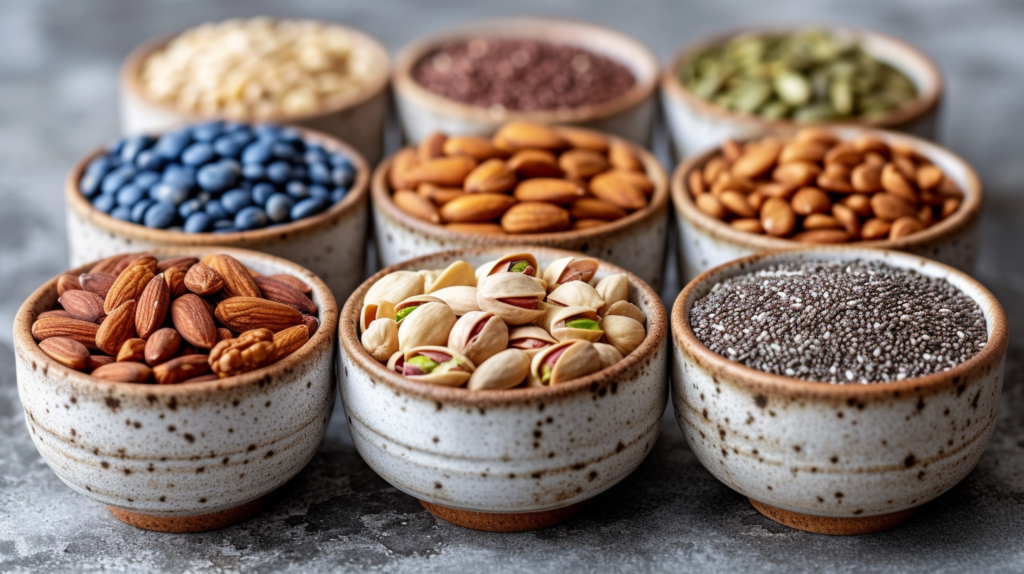
Nuts and seeds make satisfying gluten-free snacks. They add nutrition, flavor, and texture to meals, too. Enjoy:
- Almonds
- Walnuts
- Pecans
- Pistachios
- Cashews
- Peanuts
- Nut butters
- Pumpkin seeds
- Sunflower seeds
- Sesame seeds
- Flax seeds
- Chia seeds
- Hemp seeds
Keep a stash of nuts and seeds on hand for anytime protein power.
Lean On Lean Proteins
Without gluten, ensure you’re getting adequate high-quality protein from:
- Chicken and poultry
- Fish and shellfish
- Beef, pork, and lamb
- Eggs
- Tofu and tempeh
- Beans, lentils, chickpeas
Combine proteins with veggies and gluten-free grains for balanced meals.
Treat Yourself
You can still indulge on a gluten-free diet! Enjoy moderation-friendly treats like:
- Dark chocolate
- Popsicles
- Sorbet and gelato
- Rice pudding
- Fresh fruit with whipped cream
Save higher sugar items like gluten-free baked goods, ice cream, and candy for occasional enjoyment.
Eat Mindfully
Starting a new diet can lead to feelings of restriction and deprivation. Counteract this by:
- Focusing on all the foods you can eat
- Choosing foods because they make your body feel good
- Tuning in to your hunger/fullness cues
- Slowing down and savoring each bite
- Expressing gratitude before meals
Adopting a positive, thankful attitude will help you embrace the change.
Cook at Home
Preparing your own meals is the best way to ensure total control over what goes into your food. Get comfortable with:
- Basic cooking techniques: baking, sautéing, roasting, grilling
- Batch cooking veggies, grains, beans for easy meals
- Safe gluten-free substitutions in recipes
- Label-reading for hidden gluten sources
- Preventing cross-contamination
As your kitchen confidence grows, you’ll feel empowered eating at home.
Scope Out Safe Spots
Dining out while gluten-free does require some reconnaissance and care. Do your research to find accommodating restaurants. Look for:
- Dedicated gluten-free menus
- Staff knowledgeable about gluten-free needs
- Avoidance of high-risk sauces, seasonings
- Separate fryers for fried items
- Ability to substitute sides/ingredients
Before ordering, always confirm the dish can be prepared gluten-free. Stick to naturally gluten-free items if unsure.
Seek Support
Having a cheering squad makes any lifestyle change easier. Tell loved ones about your new gluten-free journey so they can encourage and assist you. Join gluten-free online communities to find recipes, ask questions, and connect with others.
Knowing there are lots of people thriving gluten-free will inspire you to keep going even through inevitable bumps in the road. You’ve got this!
Give Yourself Grace
This is a big transition – be patient and understanding with yourself! Mistakes happen. If you get “glutened,” take it as a lesson learned. Get back on track at the next meal.
With time, this new lifestyle will start to feel comfortable and intuitive. Focus on how much better you feel without gluten rather than what you may miss. Your health and wellbeing are worth it!
Start Your Gluten-Free Journey
Hopefully these tips have gotten you pumped up to take the plunge into gluten-free living! Remember to:
- Consult your doctor and/or dietitian to ensure this diet is right for your needs
- Seek proper testing and diagnosis if you suspect an intolerance
- Work with knowledgeable professionals to create a balanced, sustainable gluten-free plan
- Listen to your body and fine-tune your diet as needed
Armed with the right knowledge and resources, you can successfully make this transition. Say goodbye to gluten and hello to a healthier, more vibrant you!